

In This Moment, We Choose Each Other. Together, We Exhale.
There is a particular exhaustion that comes from watching history repeat itself.
From witnessing rights that we thought were protected becoming negotiable again, to feeling the weight of decisions made in rooms we were never meant to enter, yet are always expected to survive, many Black women are carrying a quiet and familiar grief. This moment does not feel new. It feels like being asked, once again, to be resilient in the face of systems that continue to test our humanity.
There is a particular exhaustion that comes from watching history repeat itself.
From witnessing rights that we thought were protected becoming negotiable again, to feeling the weight of decisions made in rooms we were never meant to enter, yet are always expected to survive, many Black women are carrying a quiet and familiar grief. This moment does not feel new. It feels like being asked, once again, to be resilient in the face of systems that continue to test our humanity.
We know this feeling well. We know what it means to carry personal grief while also holding collective concern. To wake up, go to work, care for our families, show up for our communities, and still quietly ask ourselves: how much more are we expected to hold?
There is grief in watching protections erode. There is frustration in seeing hard-won progress treated as temporary. There is exhaustion in feeling like our rights, our safety, and our humanity are always up for debate.
And yet, even here, we remember something deeper. Resilience may live in our lineage, but so does community. We were never meant to survive this alone.
In moments like these, collective care becomes more than a comforting idea. It becomes strategy. It becomes protection. It becomes a way of refusing to disappear inside of overwhelm. It asks us to move closer to one another when the world feels like it is pulling us apart.
Collective care looks like checking on your people and allowing them to check on you. It looks like telling the truth about your exhaustion instead of performing strength. It looks like sharing resources, supporting local organizers, having hard conversations, and making space for both grief and joy. It looks like rest without guilt. It looks like choosing softness in a world that often rewards survival at the expense of our well-being.
Black women have always built sanctuary for one another.
Around kitchen tables. In beauty shops. In church pews. In group chats. On front porches. In laughter that sounds like release. We know how to make community, even when the world gives us every reason not to trust it.
This moment asks us to return there. Not because community fixes everything, but because isolation makes the weight heavier. Because being witnessed matters. Because care is how we sustain the fight. Because joy, rest, and connection are not distractions from the work—they are part of the work.
At Exhale, we believe well-being is not separate from justice. Caring for ourselves and each other is not indulgence (as Audre Lorde reminds us). It is necessary. Especially now.
So, if you have been feeling tired, angry, disappointed, or afraid, I want you to know I see you. If you have been trying to hold it all together while quietly grieving what this moment represents, I see you.
And I want to remind you of this: you do not have to carry this alone. Move closer to your people. Let yourself be held. Choose care anyway.
That, too, is resistance. That, too, is power. That, too, is how we keep going.
Before you leave this space, I invite you into a brief pause with me.
Take a deep inhale… and a long, steady exhale. One more, just for you.
You are worthy of this care. Welcome home.
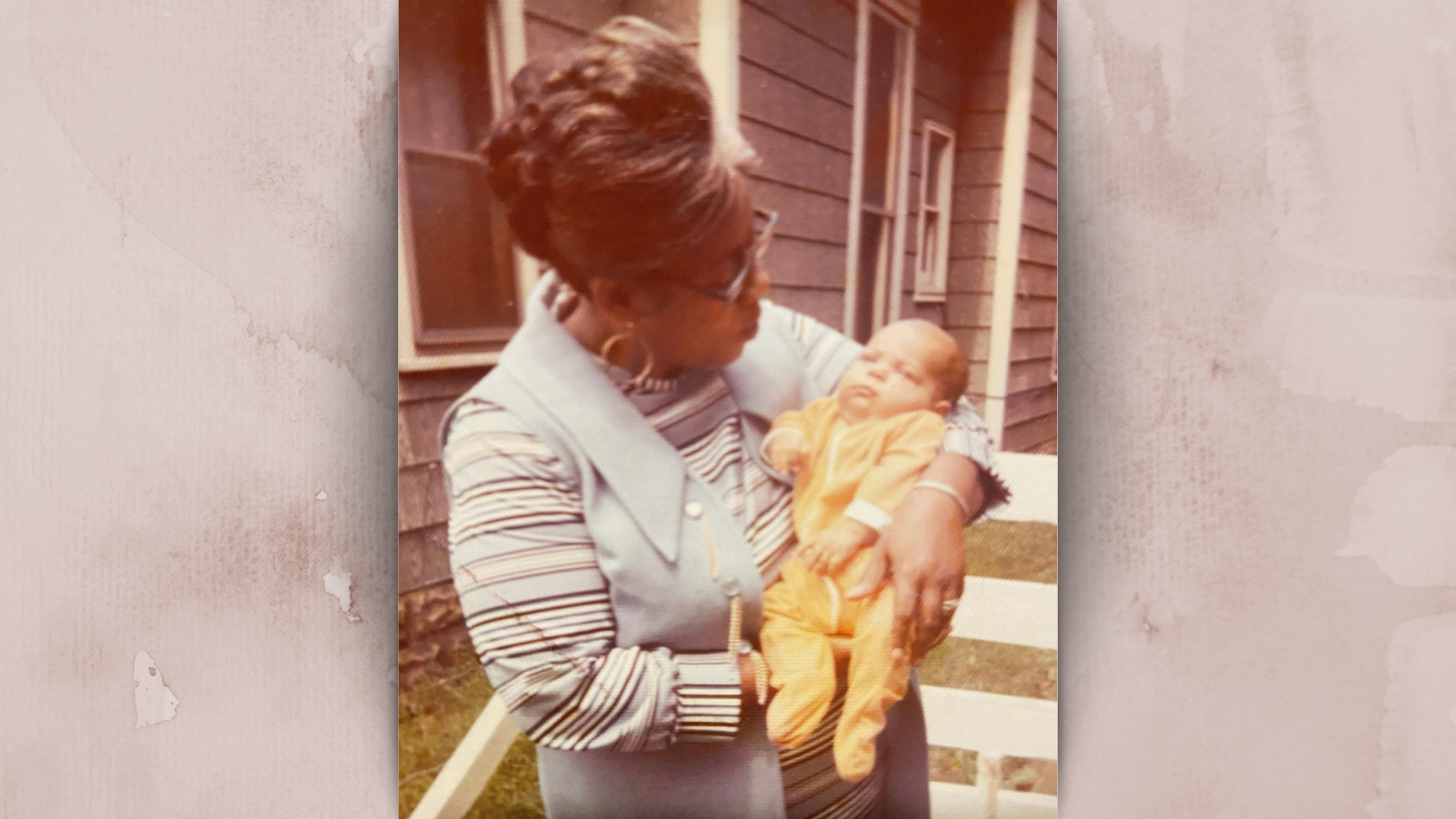
Closing Black History Month with an Exhale
As Black History Month comes to a close, I’ve been thinking about the women who came before us.
Our mothers. Grandmothers. Great-grandmothers. Great aunties. Godmothers.
The ones who did not have language for stress. Who did not have language for anxiety. Who did not have language for burnout or grief. The ones who were praised for how much they could carry.
As Black History Month comes to a close, I’ve been thinking about the women who came before us.
Our mothers. Grandmothers. Great-grandmothers. Great aunties. Godmothers.
The ones who did not have language for stress. Who did not have language for anxiety. Who did not have language for burnout or grief. The ones who were praised for how much they could carry.
They carried families. They carried communities. They carried movements. They carried silence.
And because they carried it, we are here.
Black History Month often invites us to look backward. To honor names, milestones, victories, and resistance.
I’ve engaged in that invitation, as many of us have. And I’ve also been asking myself: What does it mean to honor them now?
I don’t believe we honor our ancestors only by surviving what they survived. Survival was necessary. It was and is sacred. But it was never meant to be the ceiling of our inheritance.
I believe we honor them by healing.
By naming what hurts. By regulating our nervous systems. By choosing rest without apology. By putting language to what lived in their bodies but was never spoken.
There were generations of Black women who did not get to pause long enough to catch their breath and ask, “How am I, really?” They paved a way so we can pause and ask. That is continuation. That is legacy.
At Exhale, this is the work we are committed to — not just during Black History Month, but every day. Creating culturally grounded mental health support for Black women is not trendy work. It is lineage work.
It is building spaces where our breath can deepen. Where our stories are centered. Where we don’t have to translate ourselves to be understood.
When we breathe deeply, we are not being indulgent.
We are recalibrating systems that taught our bodies to brace. We are shifting what gets inherited. We are healing forward.
And here is the truth: this work only continues if we build it together.
If Exhale has supported you — through a meditation, a breathwork practice, a moment of pause — I invite you to consider sustaining this space.
Subscribe. Share it. Gift it. Not as a transaction. As stewardship.
Because when one of us heals, it ripples. And when enough of us heal, it transforms what is possible for the next generation.
Black History is not ending this month. It is living through us. And we get to decide what we carry forward.
Take a breath with me. Inhale. Exhale.
With you always,
Katara