

Remembered Care: Returning to What We've Always Known
What if healing isn't about discovering something new, but remembering what has always been within us? This reflection explores how generations before us practiced care through community, connection, and tradition, inviting us to return to a deeper, more meaningful way of living.
What if care isn't something we need to learn? What if it's something we need to remember?
Much of what we call wellness today is presented as something new to discover or to consume—a new routine, a new practice, a new way of living. But I wonder if the deeper invitation isn't to discover or consume something new at all. Perhaps it's to return to something we've always known.
For generations, our ancestors understood that care wasn't separate from life. It lived in community, in ritual, in storytelling, in music, in gardens, on front porches, around dinner tables, and in the quiet ways people showed up for one another. Care wasn't another item on a to-do list. It was woven into daily life. It was part of how communities survived, healed, and remained connected to one another.
That doesn't mean life was easy. Our ancestors endured profound hardship, injustice, and loss. Yet even in the midst of those realities, they found ways to preserve one another's humanity. They gathered, they created, they prayed, they celebrated, they grieved together, and they passed down traditions that reminded future generations that we belong to one another.
That wisdom didn't disappear. Many of us were simply taught to forget it.
I sometimes wonder if what feels revolutionary today is simply what we've been separated from.
Many of us have inherited a culture that celebrates exhaustion as commitment, busyness as importance, and productivity as our greatest measure of worth. We've become so accustomed to pushing through that slowing down can feel uncomfortable, even irresponsible. Rest can feel like falling behind. Care can feel like something we have to earn.
Yet our bodies often remember what our minds have forgotten. They remember the relief of taking a deep breath after holding tension all day. They remember the comfort of gathering around a table with people who truly see us. They remember the calm that comes from sitting outside for a few quiet minutes. They remember the peace that follows choosing rest instead of proving ourselves one more time. They remember what it feels like to simply be.
Perhaps these moments don't feel familiar because they're new. Perhaps they feel familiar because we've known them all along.
This is why Exhale exists.
Not because Black women needed someone to invent care for us. Our history is rich with traditions of care, healing, creativity, spirituality, and collective wisdom that have sustained us across generations.
Exhale was never about introducing a new way to care for ourselves. It has always been about remembering what care has looked like in our communities for generations and creating space to return to it.
We deserve spaces that reflect our stories, our culture, our joys, our grief, our resilience, and our humanity. Spaces that remind us that our well-being has always mattered.
Because care isn't simply something we consume. It's something we receive from those who came before us, something we steward in our own lives, and something we pass on to those who come after us. That is remembered care.
Because care is more than a practice. It is cultural wisdom. It is an inheritance. It is community. It is resilience. It is infrastructure.
Maybe healing isn't about becoming someone new. Maybe it's about returning to yourself. Returning to one another. Returning to the wisdom that has carried generations before us and continues to live within us today.
Affirmation
I honor the wisdom carried by those who came before me. I trust that care lives within me, and I give myself permission to return to it each day.
Closing Black History Month with an Exhale
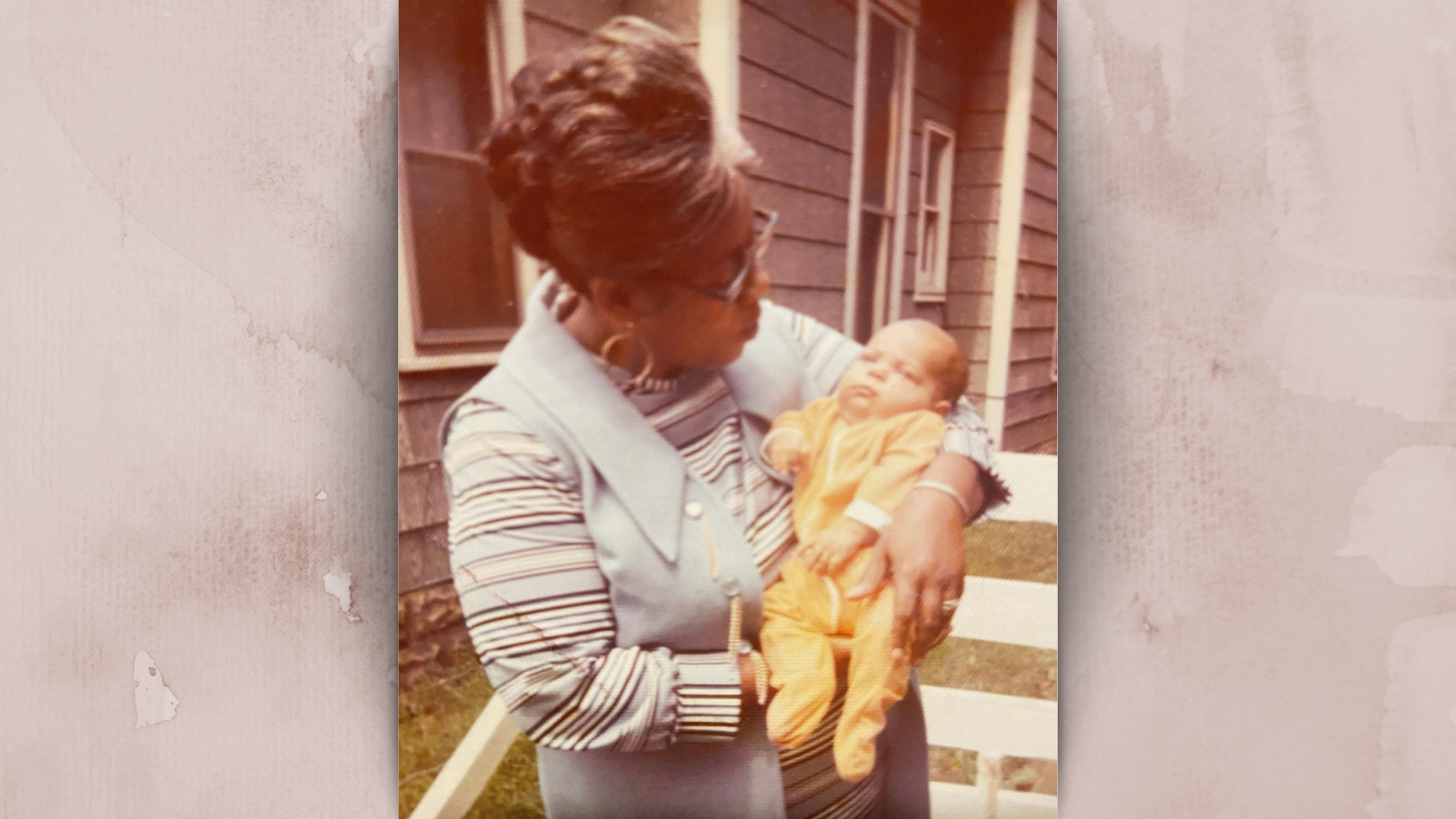
As Black History Month comes to a close, I’ve been thinking about the women who came before us.
Our mothers. Grandmothers. Great-grandmothers. Great aunties. Godmothers.
The ones who did not have language for stress. Who did not have language for anxiety. Who did not have language for burnout or grief. The ones who were praised for how much they could carry.
As Black History Month comes to a close, I’ve been thinking about the women who came before us.
Our mothers. Grandmothers. Great-grandmothers. Great aunties. Godmothers.
The ones who did not have language for stress. Who did not have language for anxiety. Who did not have language for burnout or grief. The ones who were praised for how much they could carry.
They carried families. They carried communities. They carried movements. They carried silence.
And because they carried it, we are here.
Black History Month often invites us to look backward. To honor names, milestones, victories, and resistance.
I’ve engaged in that invitation, as many of us have. And I’ve also been asking myself: What does it mean to honor them now?
I don’t believe we honor our ancestors only by surviving what they survived. Survival was necessary. It was and is sacred. But it was never meant to be the ceiling of our inheritance.
I believe we honor them by healing.
By naming what hurts. By regulating our nervous systems. By choosing rest without apology. By putting language to what lived in their bodies but was never spoken.
There were generations of Black women who did not get to pause long enough to catch their breath and ask, “How am I, really?” They paved a way so we can pause and ask. That is continuation. That is legacy.
At Exhale, this is the work we are committed to — not just during Black History Month, but every day. Creating culturally grounded mental health support for Black women is not trendy work. It is lineage work.
It is building spaces where our breath can deepen. Where our stories are centered. Where we don’t have to translate ourselves to be understood.
When we breathe deeply, we are not being indulgent.
We are recalibrating systems that taught our bodies to brace. We are shifting what gets inherited. We are healing forward.
And here is the truth: this work only continues if we build it together.
If Exhale has supported you — through a meditation, a breathwork practice, a moment of pause — I invite you to consider sustaining this space.
Subscribe. Share it. Gift it. Not as a transaction. As stewardship.
Because when one of us heals, it ripples. And when enough of us heal, it transforms what is possible for the next generation.
Black History is not ending this month. It is living through us. And we get to decide what we carry forward.
Take a breath with me. Inhale. Exhale.
With you always,
Katara